

The amount is small on purpose.
By Elizabeth Ndungu | Founder, Ndungu Consulting | Tech Coach for Adults 50+
The toll text scam starts with a small amount.
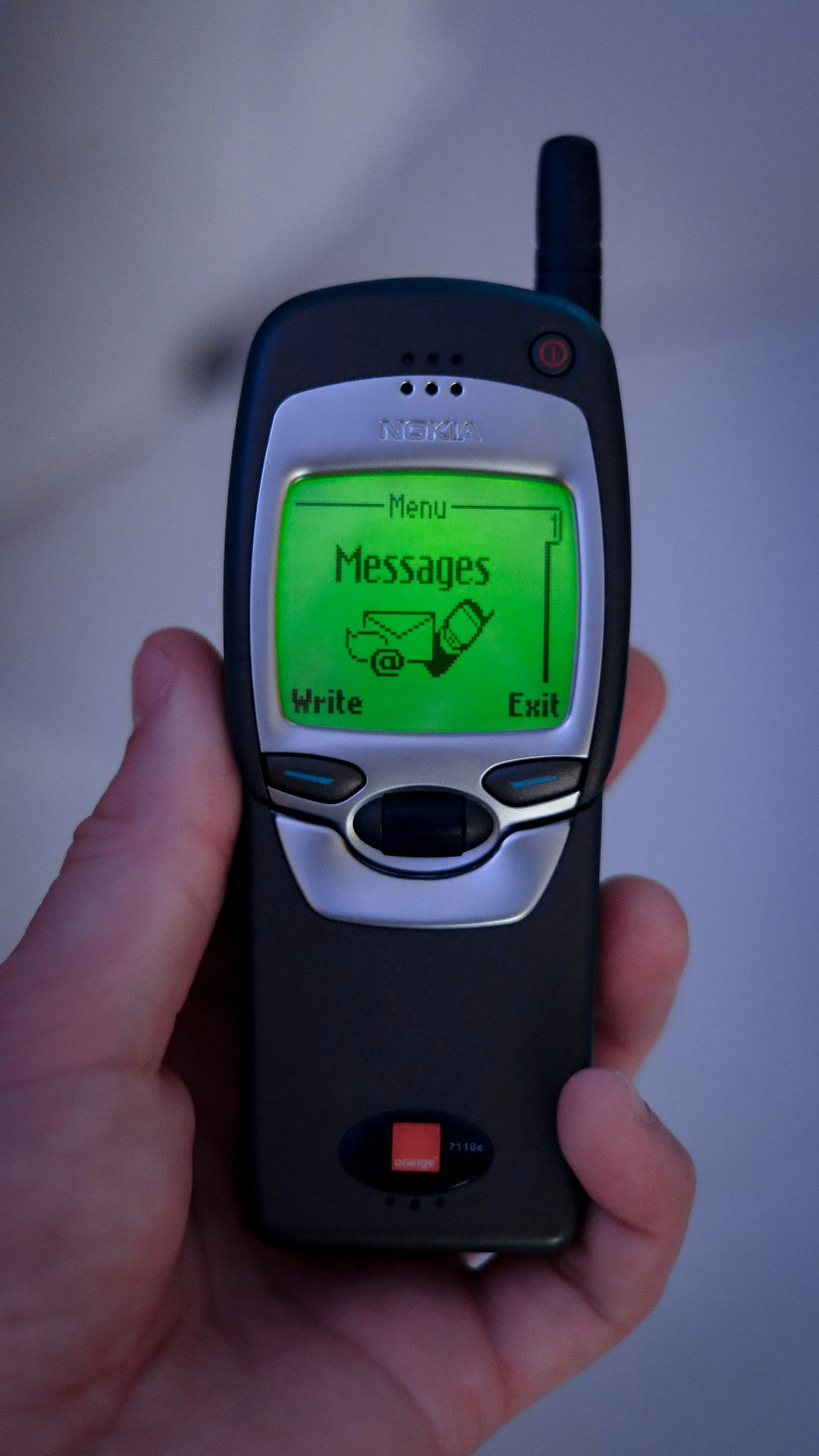
Your phone buzzes. A text says you owe $6.99 for an unpaid toll. Pay today, or a late fee may be added.
The amount feels too small to argue with.
That is the point.
A scammer does not need you to believe a huge story. They need you to think, “I should just pay this and move on.”
Why the Small Amount Matters
A small charge lowers your guard.
If the text said you owed $900, you would likely stop and question it.
But $6.99 feels possible. Maybe you forgot a trip. Maybe someone else drove your car. Maybe the toll reader missed your account.
That doubt is enough.
The scam is built around a normal human reaction: responsible people want to pay bills on time.
That does not make you careless. It means the scam is using your sense of responsibility against you.
What the Link Is Really For
The link in the message does not take you to the real toll agency.
It usually takes you to a fake page that looks official.
That page may ask for your:
- Name
- Address
- Phone number
- Card number
- Card security code
- Driver’s license number
You think you are paying a small toll.
The scammer may be collecting information that can lead to larger charges, identity theft, or more targeted scam attempts.
A real payment page should come from a site or app you opened yourself, not from a surprise link.
The Reply Trick
Some scam texts tell you to reply “Y” before the link will work.
Do not reply.
A reply can confirm that your number is active and that someone is reading the message. It may also lead to more scam messages.
Do not send “STOP.”
Do not send “wrong number.”
Do not send anything.
Delete the message, then check your account through a trusted route.
What to Do Instead
Use a separate path.
Open the toll app you already use. Type the agency’s website into your browser yourself. Look at a paper bill or account card and use the phone number printed there.
If there is a real balance, it should show in your real account.
If the agency has no record of the charge, the text was not a bill.
It was bait.
A Common Pattern
Here is how this usually goes.
A person receives a text while doing something else. Cooking dinner. Waiting in a parking lot. Watching television. The message says a small toll is due.
The person taps because the amount is low and the deadline sounds close.
The fake page asks for a card number.
The person pays.
A day or two later, the card has new charges that have nothing to do with tolls.
Is a Toll Text Safe for Adults Over 50?
A toll text may be legitimate in some situations, but you should not trust the link inside an unexpected message.
The rule is simple:
Never pay a toll through a link in a surprise text. Open the real app or official website yourself.
This one habit can greatly reduce your risk.
What If You Already Entered Your Card?
Act quickly.
Call your bank or card company using the number on the back of your card.
Tell them you may have entered your card details on a fake toll payment site.
Ask what options are available. Eligibility and deadlines vary, so do this as soon as possible.
If you entered a password, change it.
If you shared a driver’s license number or other identification, contact the relevant agency and ask what steps they recommend.
Your Caution Is Not the Problem
Scammers want you to move fast.
Your best protection is the pause.
You do not need to be an expert in phone security. You only need to stop before tapping a link that arrived without warning.
That pause is not fear.
It is judgment.
The text may look official. The logo may look right. The amount may seem believable.
Still check through a source you control.
I write regularly about technology safety and digital literacy for adults over 50. Following me here on Medium is the best way to see the next piece when it comes out.

AI Safety for Beginners: A Simple and Safe Guide for Seniors, is available here: https://elizabethw2.gumroad.com/l/AIbeginnersafety
For calm, one-on-one technology help with no pressure, no jargon, and no embarrassment, visit ndunguconsulting.com.

About the Author
Elizabeth Ndungu is the founder of Ndungu Consulting, a technology coaching and digital literacy practice that helps adults over 50 build confidence with everyday technology. Computers, phones, AI tools, email, Microsoft Office, online safety, and digital skills in plain English. She provides patient, practical support for people who want to learn without jargon, pressure, or embarrassment.
Sources
Federal Communications Commission, “How to Spot and Avoid Toll Road Payment Scam Texts,” 2026: https://www.fcc.gov/consumer-governmental-affairs/how-spot-and-avoid-toll-road-payment-scam-texts
Consumer Reports, “That Text About Unpaid Tolls Is a Scam,” 2026: https://www.consumerreports.org/money/scams-fraud/texts-about-tolls-are-almost-always-scams-how-to-tell-a2954184895/
Tags
Leave a Reply