


The Phone Call That Sounds Like Your Grandchild
Could it be your granddaughter?
By Elizabeth Ndungu | Founder, Ndungu Consulting | Tech Coach for Adults 50+

You pick up the phone.
It is your granddaughter. Her voice sounds shaky. She says she has been in a car accident abroad and needs money immediately to get home. She asks you not to tell her parents. She is crying.
Most people think they would spot a scam like this instantly.
The uncomfortable truth is that many wouldn’t.
AI voice cloning scams are growing quickly, especially against older adults. In May 2026, the FBI issued a warning after victims reported losing thousands of dollars to these calls. The voice on the phone sounds real because, in a way, it is. Scammers now use AI software to copy someone’s voice from short clips posted online.
A birthday video on Facebook. A TikTok clip. A voicemail greeting.
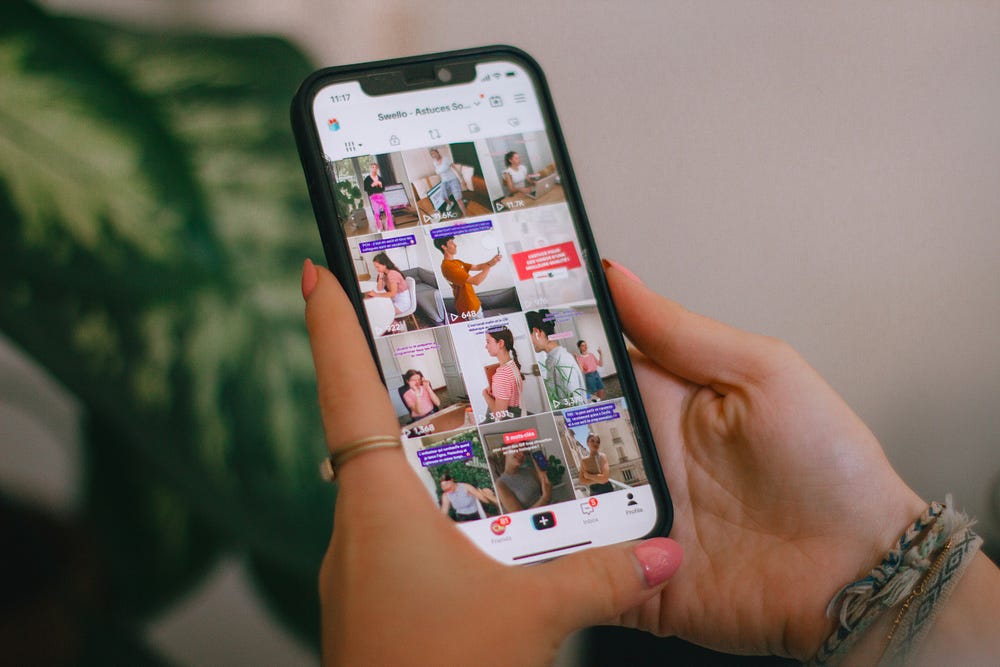
That can be enough.
And no, this is not science fiction anymore. It is already happening.
How Does AI Voice Cloning Work?
Modern voice cloning software can recreate a person’s voice from only a few seconds of audio.
Scammers collect clips from social media, videos, podcasts, or voicemail recordings. They run those clips through specialist AI software that can mimic tone, pacing, and emotion surprisingly well.
Then comes the phone call.
Usually there is an emergency: an arrest, a car accident, a stolen passport, trouble overseas. There is almost always pressure to act immediately. There is also usually a reason you cannot call the person back directly.
“The phone was taken.” “I’m using someone else’s phone.” “Please don’t tell my parents yet.”
The goal is panic. Panic speeds people up.
Call the person back directly, just to ensure — on their own number.
One important thing to understand: tools like ChatGPT, Claude, and Gemini are not the tools creating these fake phone calls. Voice cloning uses different software entirely. AI is a broad category, and different tools do very different things. (Those tools can also make mistakes and sometimes present incorrect information confidently, which is worth knowing if you use them for research or advice.)
Why People Fall For It

Because the scam is emotional before it is technical.
You are not making a calm financial decision in that moment. You think someone you love is frightened or hurt.
That changes how people react.
Scammers also do homework beforehand. They often know family names, schools, travel plans, or locations because many of us share pieces of our lives publicly online.
So when the caller says:
“Grandma, it’s Emma. I’m in Spain.”

And you know Emma recently travelled to Spain, your brain starts connecting the dots automatically.
That is what makes this scam dangerous. The details feel real enough.
What Should You Do If You Get One of These Calls?
First, slow the situation down.
That sounds simple, but it matters. The urgency is part of the manipulation.
Real emergencies can survive a two-minute pause.
Second, hang up and call your family member directly using the number already saved in your phone. Not the number that called you.
Third, create a family code word now. It can be anything: a nickname, a phrase, a random word, an inside joke. Something only close family would know. If a suspicious call ever happens, ask for the code word. A scammer will not have it.
Also, never send money through gift cards, cryptocurrency, or wire transfers, especially after a phone call filled with pressure and secrecy.
And this part matters too: any caller telling you not to inform other family members is a scammer. That secrecy is intentional.
A Situation That Is Easy to Imagine
Picture this.
It is a quiet Sunday afternoon. The phone rings.

You hear your granddaughter’s voice, or at least something almost identical to it. There has been an accident near Lyon. She needs money for legal fees before Monday morning. She sounds terrified.
You grab a pen. You start writing down account details.
Then something small interrupts you. Maybe someone knocks at the door. Maybe another call comes through. Maybe the dog starts barking.
Two ordinary minutes pass.
When you come back, the panic has lowered just enough for you to think clearly. You call your daughter.
Your granddaughter answers from her flat , confused about why everyone suddenly sounds worried.
You were close to sending the money.
Honestly, many caring people would have done the same thing.
That is what makes these scams effective. They are designed to override your thinking long enough to make you act first and question things later.

One Practical Thing You Can Do This Week
Review your family’s social media privacy settings.
Public videos and audio clips are one of the biggest sources scammers use for voice cloning. Switching profiles from public to friends-only reduces exposure significantly.
No solution is perfect, but small protective steps matter.
A family code word takes two minutes to set up. That one habit alone could stop a scam completely.
Final Thought
The technology behind these scams will keep improving. The good news is that your protection does not depend on understanding complicated technology.
Most of the defense comes from creating a pause before reacting.
Slow down. Call back directly. Verify first. Never send money in panic.
That short delay is often enough to stop a very expensive mistake.
I work one-on-one with adults who want calm, practical help learning modern technology without jargon or pressure. If that sounds like what you need, you can find me at Ndungu Consulting.

A note on AI accuracy
AI tools including ChatGPT, Claude, and Gemini can and do make mistakes. They can state incorrect information confidently and without flagging it as uncertain. Always verify anything important, especially in medical, legal, financial, or safety contexts, through a qualified professional or a verified source. These tools are aids for thinking and drafting, not authoritative sources.

Elizabeth Ndungu is the founder of Ndungu Consulting, a technology coaching and digital literacy practice focused on adults over 50. She works one-on-one with clients who want to use modern technology with confidence, without jargon, pressure, or embarrassment.
The AI Survival Kit, a plain-English guide to using AI safely for adults over 50, is available here: AI Survival Kit
Tags: AI voice cloning | grandparent scam | elder fraud | online safety
Leave a Reply